
Types of Fish in the James River: What You Can Actually Catch
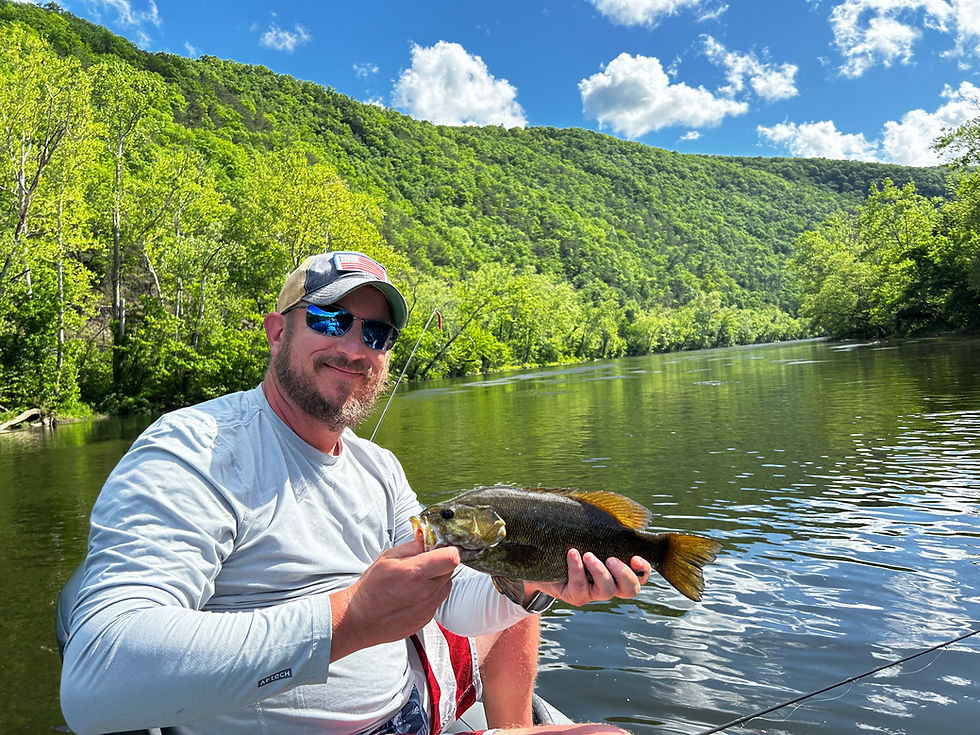
Most people hear “James River” and think smallmouth bass. That’s fair. That’s what this river is known for, and it’s the reason most anglers end up here in the first place.
But once you spend a day floating the upper river, you realize pretty quickly it’s not just about one species. It’s more about how a handful of fish use the river differently depending on where you are and what the conditions are doing.
If you’re planning a Virginia fly fishing trip to the Upper James, this guide is meant for you.
Why the Upper James River Fishes the Way It Does
The James River covers a lot of ground across Virginia, and the further downstream you go, the more it changes. The upper river is more straightforward.
You’ve got current, rock, and depth changes that repeat themselves over and over again. Shoals break things up, ledges create holding water, and deeper runs give fish somewhere to settle when they don’t want to fight current.
That setup narrows things down in a good way. A lot of general articles miss that and end up describing fish that don’t really factor into this part of the river.
The Fish You’ll Actually Encounter in the Upper James
Smallmouth Bass
Smallmouth are the focus here. Everything else is secondary.
They live in the obvious places once you start noticing the pattern. Anywhere current breaks around rock or pushes into a seam, there’s a good chance a bass is sitting there.
Some days they’ll move for a fly. Other days they won’t budge much at all.
That’s usually what separates a slow day from a good one.
Muskellunge (Musky)
Musky are in the river, and they’re a real target if you’re set up for it.
They tend to hold in slower water with some depth to it, usually around structure that gives them an advantage. You don’t run into them often by accident.
If you’re going after musky, you’re doing it on purpose. Bigger flies, slower approach, and a willingness to stick with it even when things are quiet.
When it comes together, it’s worth it. But it’s a different kind of fishing than chasing smallmouth all day.
Channel and Flathead Catfish
Channel and Flathead cats are part of the mix, whether you’re targeting them or not.
They spend most of their time in deeper, slower water, especially where there’s structure. You’ll run into them often enough that they’re not really a surprise, even if they’re not what you set out to catch. They fight well and usually show up when you’re working deeper sections of the river.

The Fish That Round Out the Day
Bluegill
Bluegill are just part of the river. They stay along the softer edges, out of the heavier current, and they’re usually willing to eat. If someone is newer to fishing or still getting comfortable casting, they keep things moving. They’re not what most people come for, but you’ll see them throughout the day. Fallfish
Fallfish are common in the upper James and often overlooked.
They’ll sit in moderate current, especially in runs and seams that look similar to smaller bass water. They’re quick to eat and not particularly selective, which makes them a steady presence throughout the day. Most anglers don’t set out to catch them, but if you’re covering water, you’ll cross paths with a few.
Redbreast Sunfish
Redbreast tend to sit in that middle ground water. Not as slow as bluegill water, not as fast as where you’d expect bigger bass. They’re consistent. If you’re covering water well, you’ll run into them without trying.
Rock Bass
Rock bass stick tight to structure and a little deeper than people expect.
They’re aggressive and not particularly picky. When smallmouth slow down, they usually step in and keep things from going quiet.
What You Won’t Find on the Upper James
This is where a lot of confusion comes from. The James River system has a wide range of species overall, but that doesn’t mean they apply to every section.
Up here, you’re not dealing with striped bass or shad runs. And despite what some broader sources suggest, walleye aren’t part of what anglers see in this stretch.
Once you narrow your focus to what’s actually in front of you, decisions get easier. You’re not trying to cover every possibility. You’re working with what’s actually there.
How the River Changes Through the Seasons
Fish don’t stay put, but they don’t disappear either. They just shift based on conditions.
When the Water Warms Up
As temperatures come up, smallmouth tend to spread out more and use faster water. You’ll see them slide into feeding lanes where current is doing most of the work for them.
That’s when moving through water and staying flexible matters more.
When Temperatures Drop
When things cool down, fish start pulling into slower, deeper areas.
Smallmouth are still there, but they’re less willing to move. Musky become more of a focus for anglers who are targeting them specifically.
Everything slows down, including how you approach each section of water.
How We Approach the River on Guided Trips
Fishing this river well usually comes down to covering water and making decisions as you go.
Sitting in one spot rarely makes sense here. Conditions change, light changes, and fish position shifts throughout the day.
That’s one of the advantages of floating. You’re able to move through long stretches and focus on the water that’s actually setting up well instead of forcing unproductive areas.
It’s a more efficient way to figure things out as the day unfolds.

Common Misconceptions About the James River
A lot of people assume this is a simple fishery because it’s known for smallmouth.
Another one is thinking more species would make it better. In this case, having a focused fishery is part of what makes it consistent. And then there’s the idea that you can fish it the same way all year. That usually doesn’t hold up for long.
Frequently Asked Questions
What fish are most common in the James River?
Smallmouth bass are the primary species in the upper James, with sunfish and catfish showing up regularly.
Are musky actually catchable in the James River?
Yes, they’re a legitimate target, but they take a different approach and more time than smallmouth.
Is the James River good for beginners?
It is. There’s enough action to keep things interesting, and it’s a good place to learn with the right setup.
Do you need a license to fish the James River?
Yes. Virginia requires anglers 16 and older to carry a valid fishing license.
Final Thoughts
The Upper James is a river that makes more sense the more time you spend on it. Once that starts to click, you stop guessing as much and start seeing why certain water consistently produces. And from there, it’s just a matter of putting yourself in the right places more often. We offer guided trips that help to achieve just that! Give us a shout if you want to get on the water!
About the Author

Zach Brantley is the owner and head guide of Blue Ridge Fishing Adventures and a full-time professional fly-fishing guide on Virginia’s premier waters. After cutting his teeth on Colorado’s trout rivers, Zach relocated to Virginia and has spent years dialing in the Blue Ridge region—guiding customized float and wade trips, along with fly fishing lessons, across dozens of rivers, streams, and lakes in western Virginia.


Comments